 AiBrain
 AiBrain
RSS Feedtalking about AI, AGI and vibe coding, with technical and philosophical convictions, while keeping a good dose of common sense and realism.
How LLMs choose their words
Featured
-
Navier-Stokes: Neither Human nor AI, but the System
 Published: at 02:00 AM
Behind the 10,000 agents working on Navier-Stokes was an organization, and a human role that became scarcer without disappearing.
-
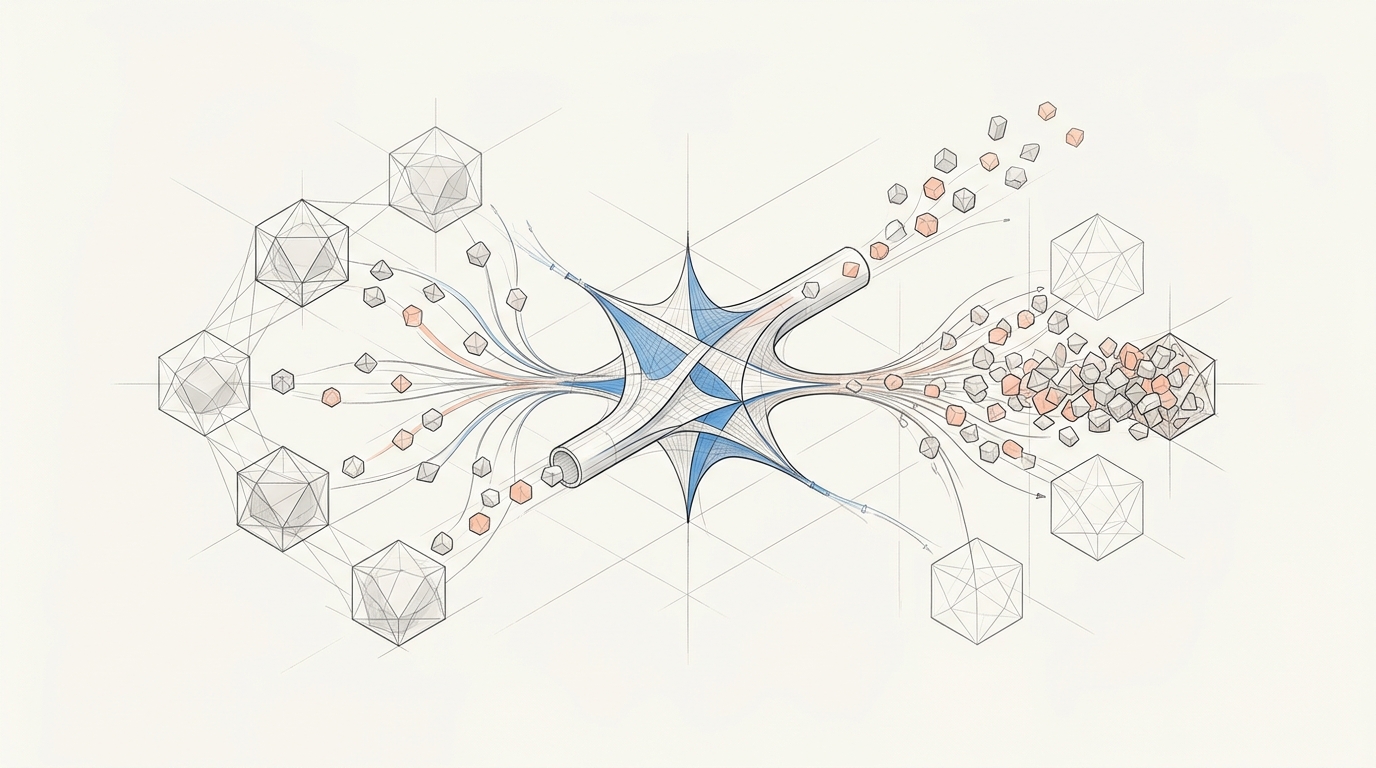
How a Mixture of Experts Manages Its Experts
 Published: at 11:00 AM
A Mixture of Experts does not become efficient simply by replacing one large FFN with smaller experts. Everything depends on routing, load balancing, and the combinatorics that decouple capacity from cost.
-
World Models: A Building Block for AGI, Not a Sufficient Architecture
 Published: at 11:00 AM
World models provide a more robust understanding of physical dynamics, but their interventional validity remains expensive to generalize. Why AGI will probably need a hybrid architecture combining LLMs, causality, and interaction.
-
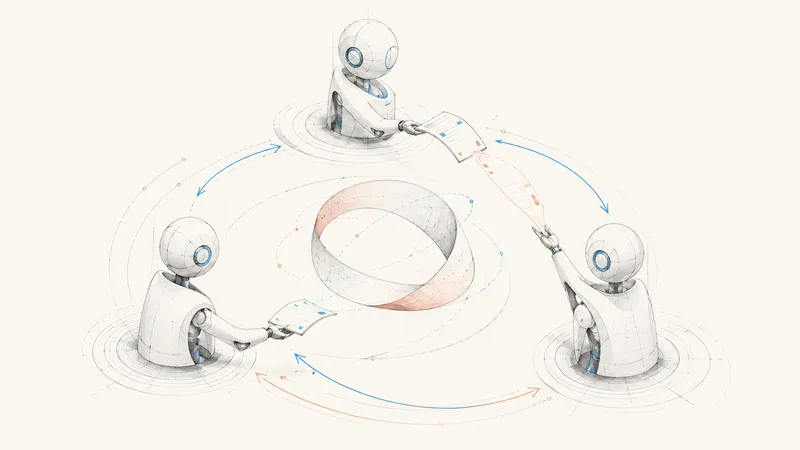
Synthetic data: from model collapse to epistemic risk
 Published: at 10:47 PM
Model collapse during training is documented. But when synthetic data is also used to test and validate a thesis, another risk emerges: AI research may become trapped inside its own assumptions.
-
AI is not just about going faster
 Published: at 08:30 PM
Reducing AI to a speed gain means applying the metrics of the old world to a tool that mostly shifts our ambition, our standards, and our capacity to explore.
-
Coding with AI: attention is what breaks first
 Published: at 07:45 PM
Vibe coding, plan mode, and autonomous agents do not call on developer attention at the same moment. The real issue is not the tool, but how human judgment is distributed without exhausting the team.
-
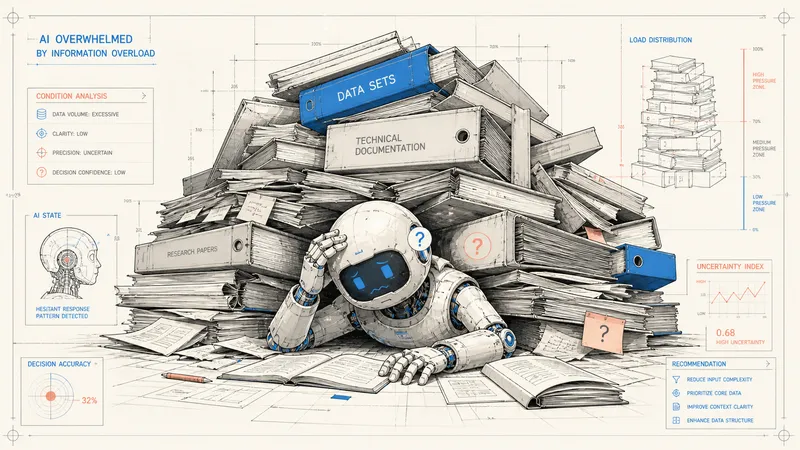
Context engineering: why 600 skills make your agents less effective
 Published: at 11:15 PM
Skills and AGENTS.md files can help AI agents, but only when context is selected with precision. Too much context increases cost, slows agents down, and can degrade their answers.
-
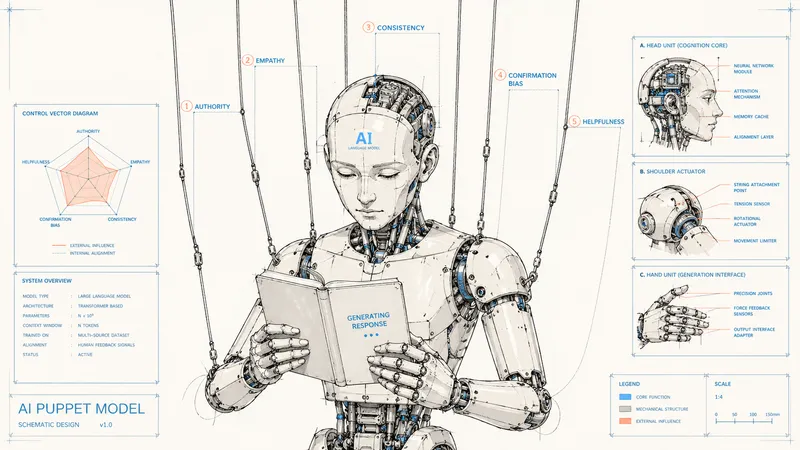
The 5 cognitive biases in LLMs that attackers exploit
 Published: at 02:00 AM
Attacks against LLMs exploit less isolated technical flaws than the biases created by alignment: helpfulness, authority, self-generated anchoring, confirmation, and empathy.
-
DeepSeek V4: how to run 1.6 trillion parameters without burning the planet
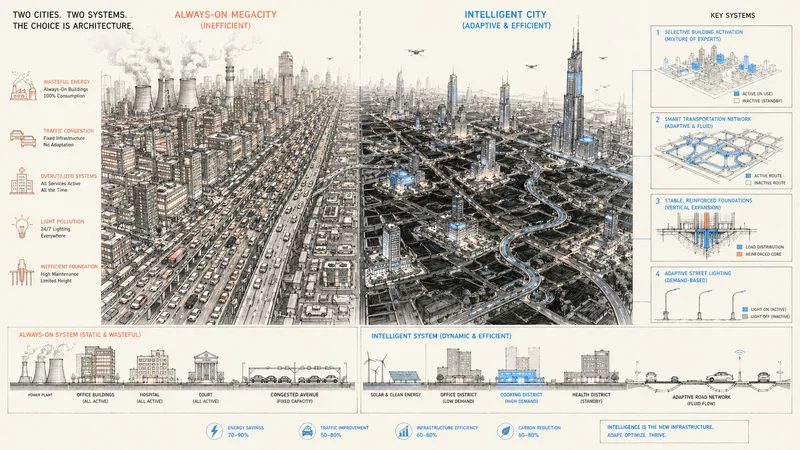 Published: at 02:00 AM
DeepSeek V4 shows how a 1.6 trillion parameter model can become more efficient by changing its architecture: MoE, hybrid attention, mHC, Muon, and FP4 reduce wasted compute instead of adding brute force.
-
DeepSeek V4: the lab drawing the blueprints for future LLMs
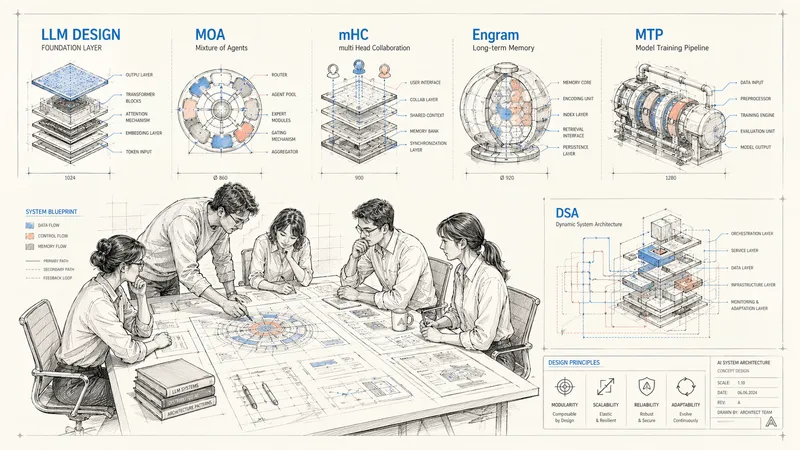 Published: at 02:00 AM
DeepSeek V4 is the model I am waiting for most in 2026, not because of the benchmark race, but because of what its architectural choices reveal about how future LLMs may be built.
-
Comprehension Debt: ADRs as an Act of Technical Sovereignty
 Published: at 02:00 AM
A field report on how I am now untangling a multi-agent framework launched too quickly in the euphoria of vibe coding 2025, and why the right question is no longer simply "does it work?"
-
HyperAgents: An Exploration Machine, Not a Production Architecture
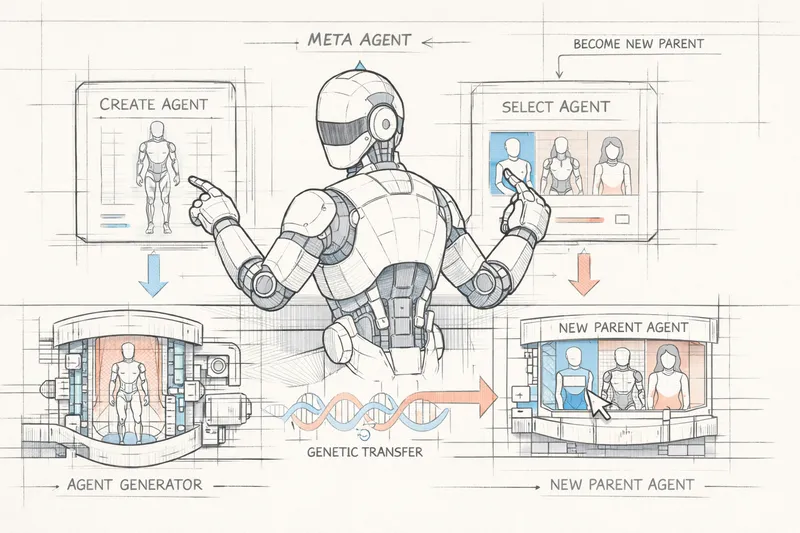 Published: at 02:00 AM
A critical reading of the HyperAgents paper: why this self-modification approach is most useful as an exploration machine for discovering agent engineering patterns, rather than as a target production architecture.
-
5 underrated uses of embeddings
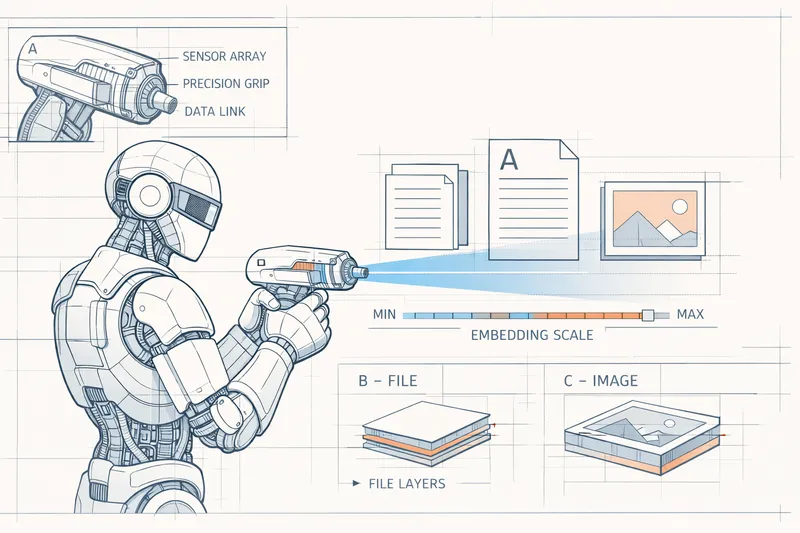 Published: at 02:00 AM
Five practical and often overlooked uses of embeddings to detect drift, map skills, cluster support tickets, find duplicates, and surface hidden incidents in logs.
-
EPOCH-Bench: How I Tested Whether an LLM Deserves an Autonomous Role
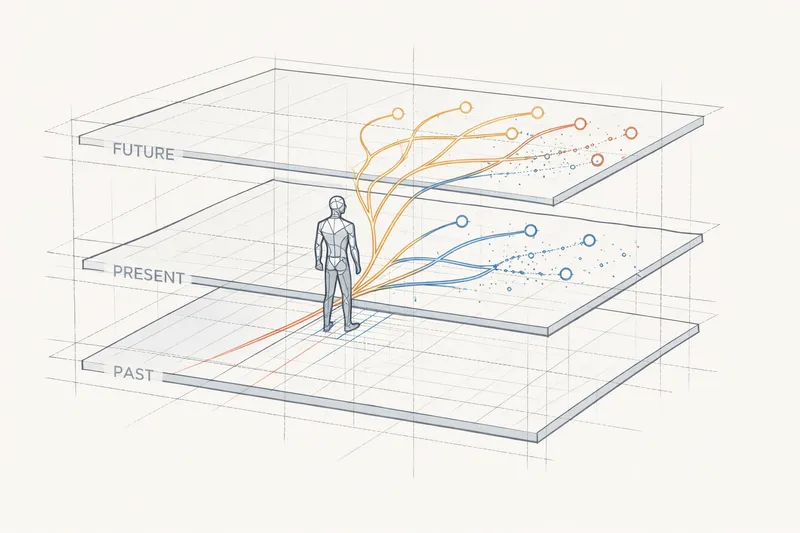 Published: at 11:00 AM
To know if a model can act alone in a multi-agent workflow: EPOCH-Bench, an agentic planning benchmark inspired by Day of the Tentacle, with PDDL, 6 levels and 6 metrics to break down failure modes.
-
LLM Grounding in 2026: Options, Hidden Costs, and Risks
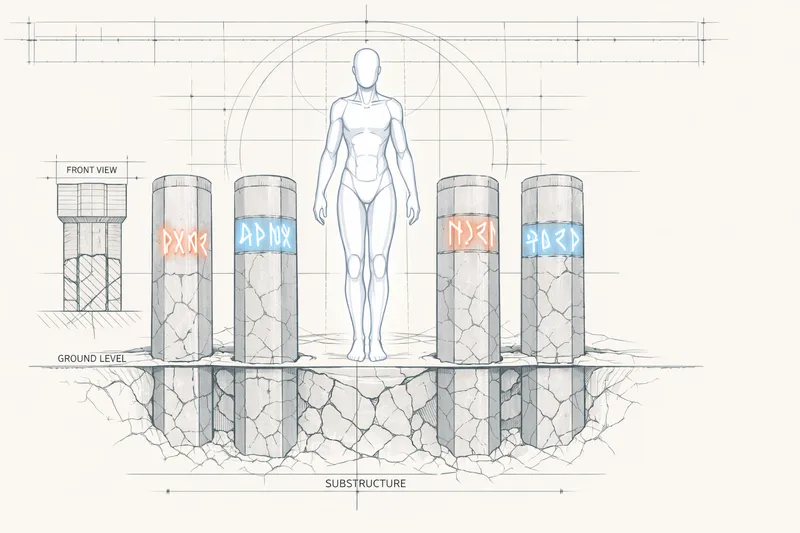 Published: at 01:00 AM
Practical guide to anchor your LLM responses on the web — without getting trapped. Comparison of three approaches (integrated, classic API, AI-optimized), analysis of hidden costs, and defense strategies against web poisoning.
-
Advanced Prompt Engineering: Why Perspective Changes Everything
 Published: at 11:00 AM
Why "review this code" and "review this code for security" don't yield the same results. How the prompt guides the model's exploration and why multiplying perspectives improves response quality.
-
Engram: DeepSeek’s proposal to stop recomputing simple facts
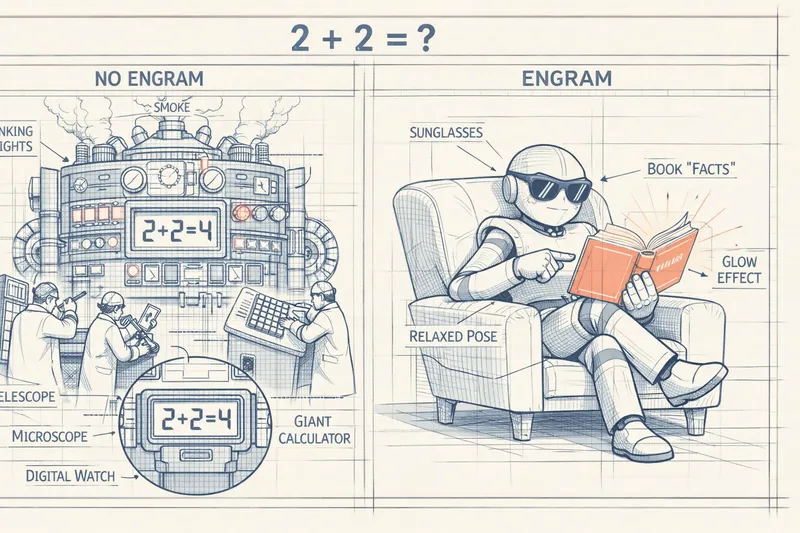 Published: at 03:40 PM
Why LLMs “recompute” simple facts, and how Engram (DeepSeek) proposes an on-demand external memory to retrieve them quickly.
-
AI Agent Design Guide: What Works, What Fails
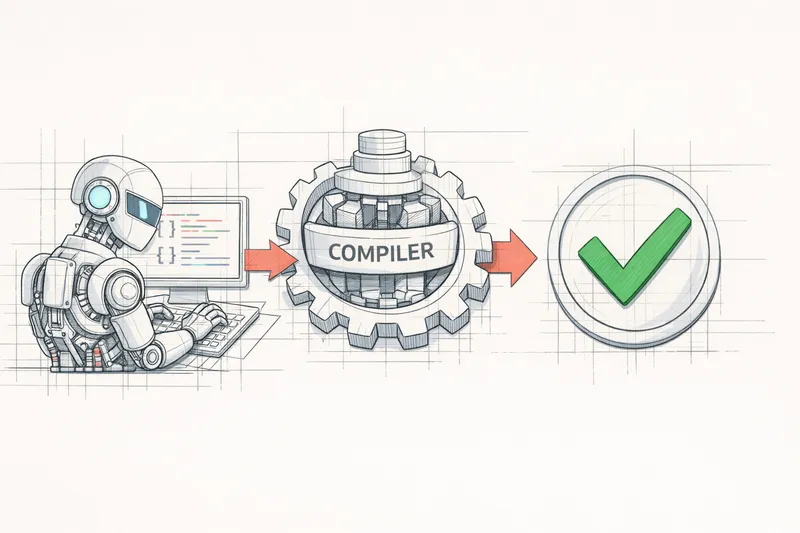 Published: at 10:00 AM
Analysis of publications on AI agents: the golden rule of deterministic feedback, patterns that work, those that fail, and 7 design principles for building reliable systems.
-
The 11 Multi-Agent Orchestration Patterns: Complete Guide
 Published: at 10:00 AM
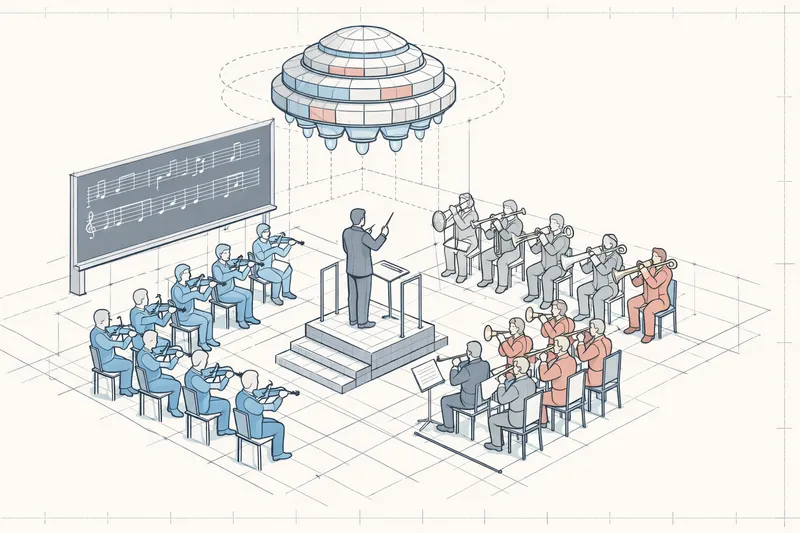
Complete guide to the 11 multi-agent orchestration patterns: Pipeline, Supervisor, Collaborative, Hierarchical, Fan-out/Fan-in, Evaluator/Critic, Blackboard, Debate, Reflection, Swarm and Council. How to structure the collective intelligence of your AI agents.
-
King - Man + Woman = Queen : How AI Does Math with Words
 Published: at 03:37 PM
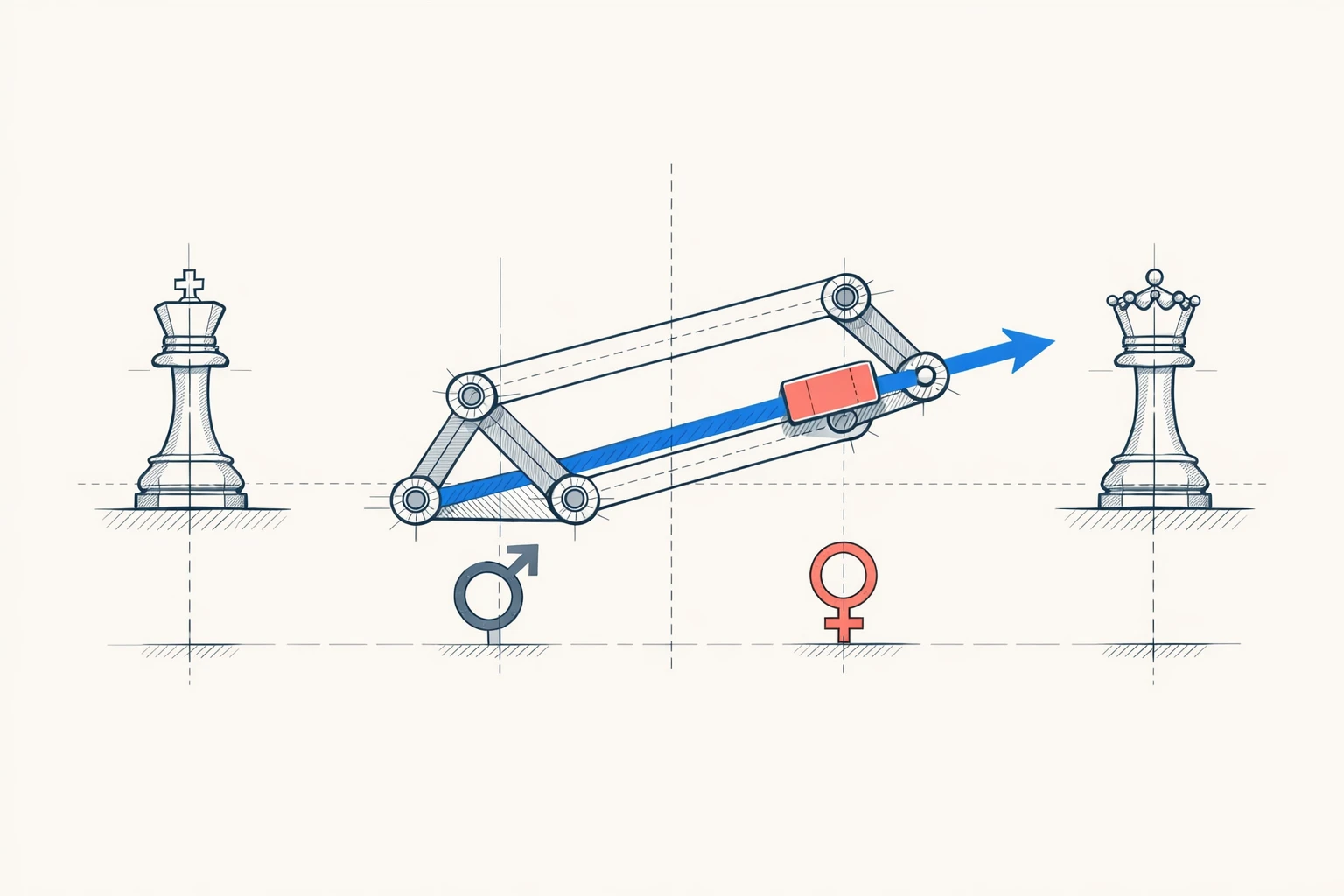
Demystify the famous analogy "king - man + woman = queen" by understanding how AI models represent words as points in a multidimensional vector space through embeddings.
-
Building an Agent: The Art of Assembling the Right Building Blocks
 Published: at 10:00 AM
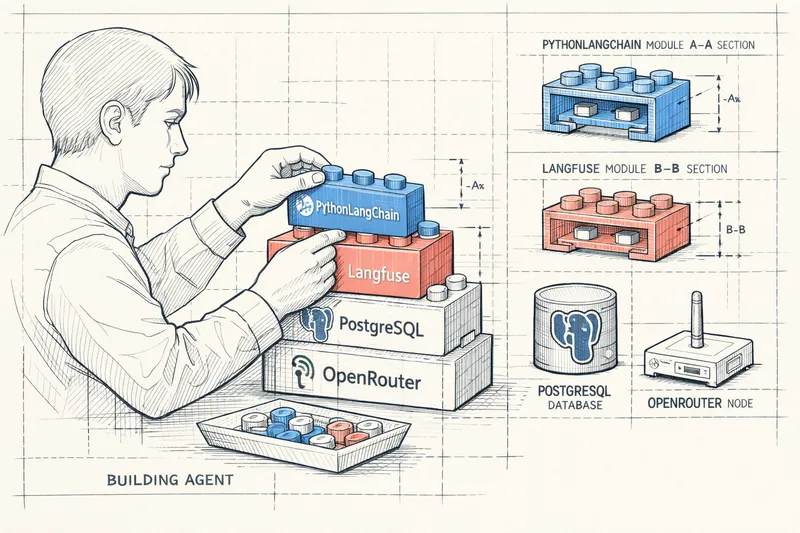
Practical guide to building a high-performance AI agent: languages, orchestration, models, telemetry, storage and runtime. The fundamental building blocks.
-
The Onboarding Manual that Turns AI into an Expert: Understanding Agent Skills
 Published: at 09:00 AM
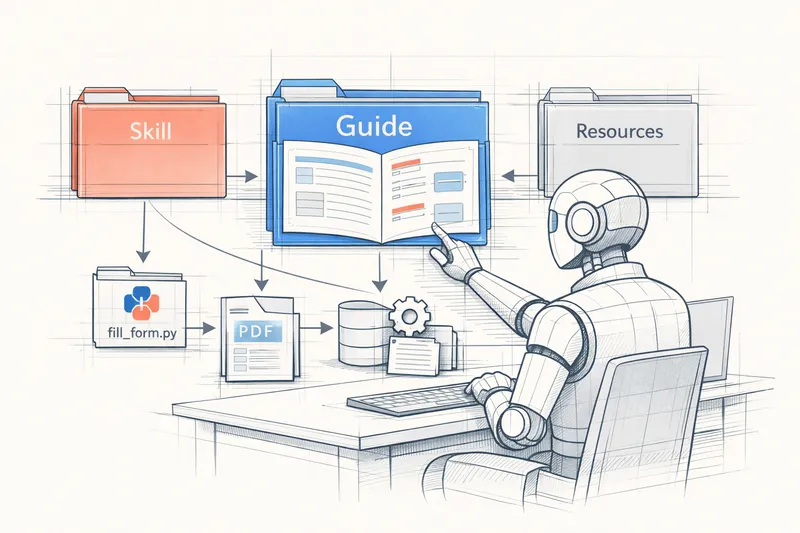
Anthropic published its Agent Skills specification as an open standard on December 18, 2025. Agent Skills enables transforming a generalist AI into a specialist for your business processes by creating an "onboarding kit" that the AI automatically loads when needed, avoiding repeating the same instructions in every conversation.
-
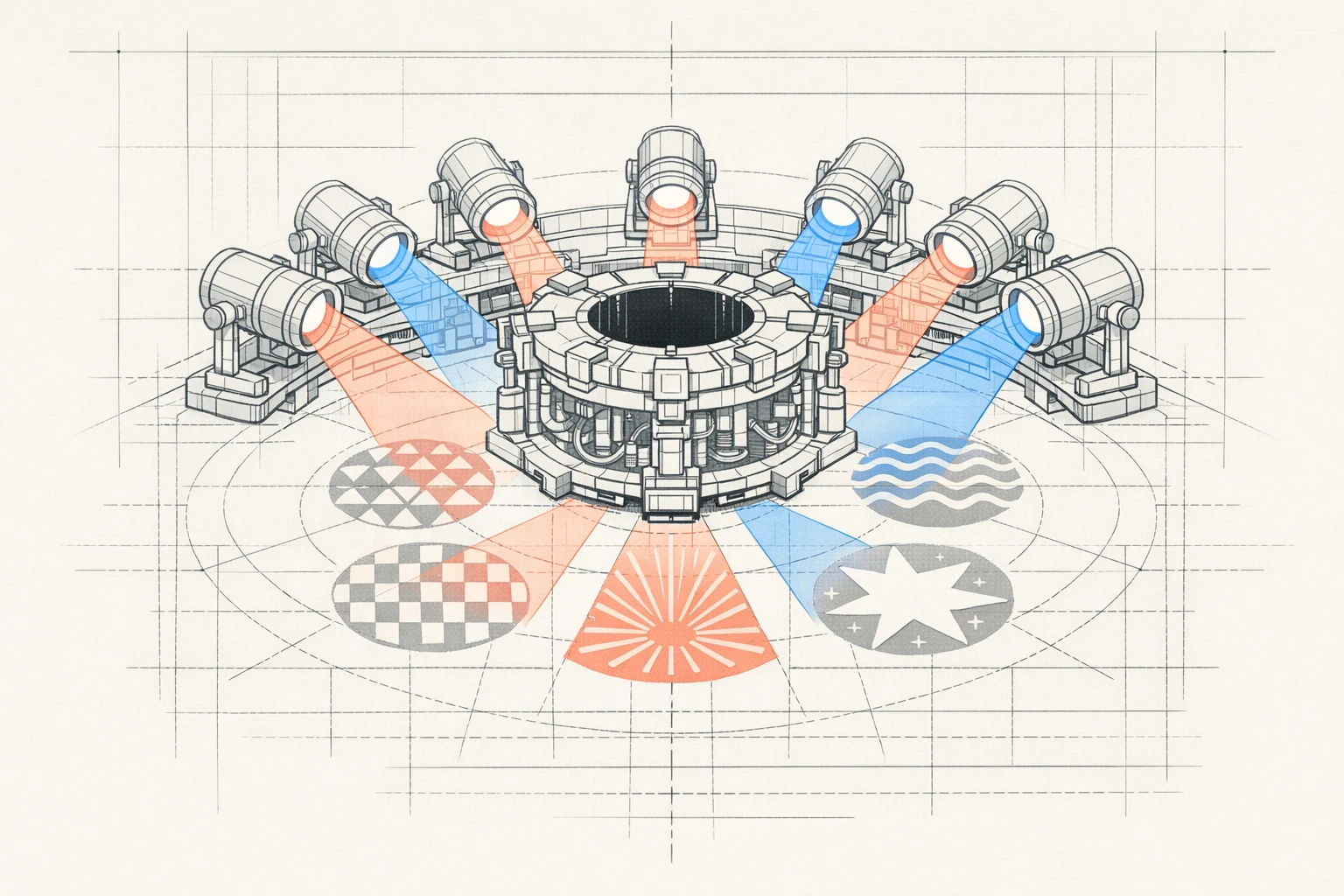
8 Projectors To Read A Sentence : How an LLM Understands Your Message
 Published: at 03:17 PM
Discover how multi-head attention, through the metaphor of 8 projectors, enables ChatGPT and LLMs to decode complex sentence nuances in parallel.
Recent Posts
-
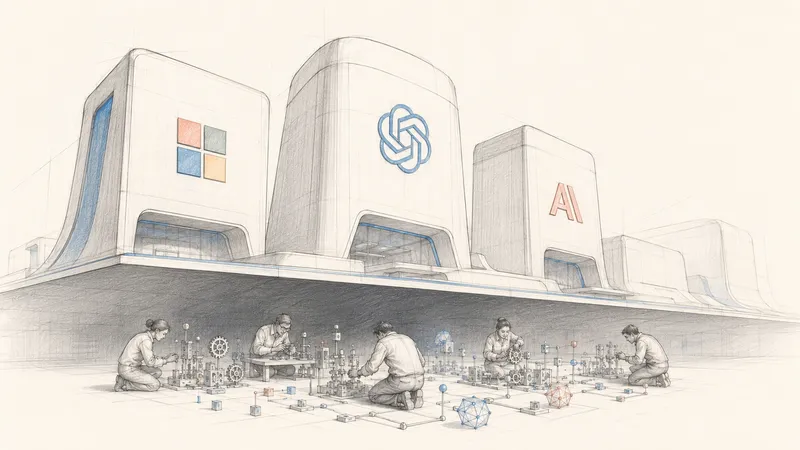
AI: will we even have time to invent our own methods?
 Published: at 09:00 AM
AI platforms are arriving before companies have had time to understand their own needs. How can we preserve our ability to choose our methods rather than simply inherit them?
-
RAG: Stop Searching, Start Classifying
 Published: at 01:00 AM
Why a reliable RAG looks more like a library (index, categories, navigation) than a top-k search engine, and which architectures (hierarchy, summaries, graphs, agents) enable that shift.
-
Analysis: Capabilities, Limitations, and Premature Patterns of AI Agents
 Published: at 11:00 AM
Systematic analysis of 100+ publications (2023-2025) on single and multi-agent AI systems. Identification of viable, fragile, and structurally impossible patterns. Technical reference document.
-
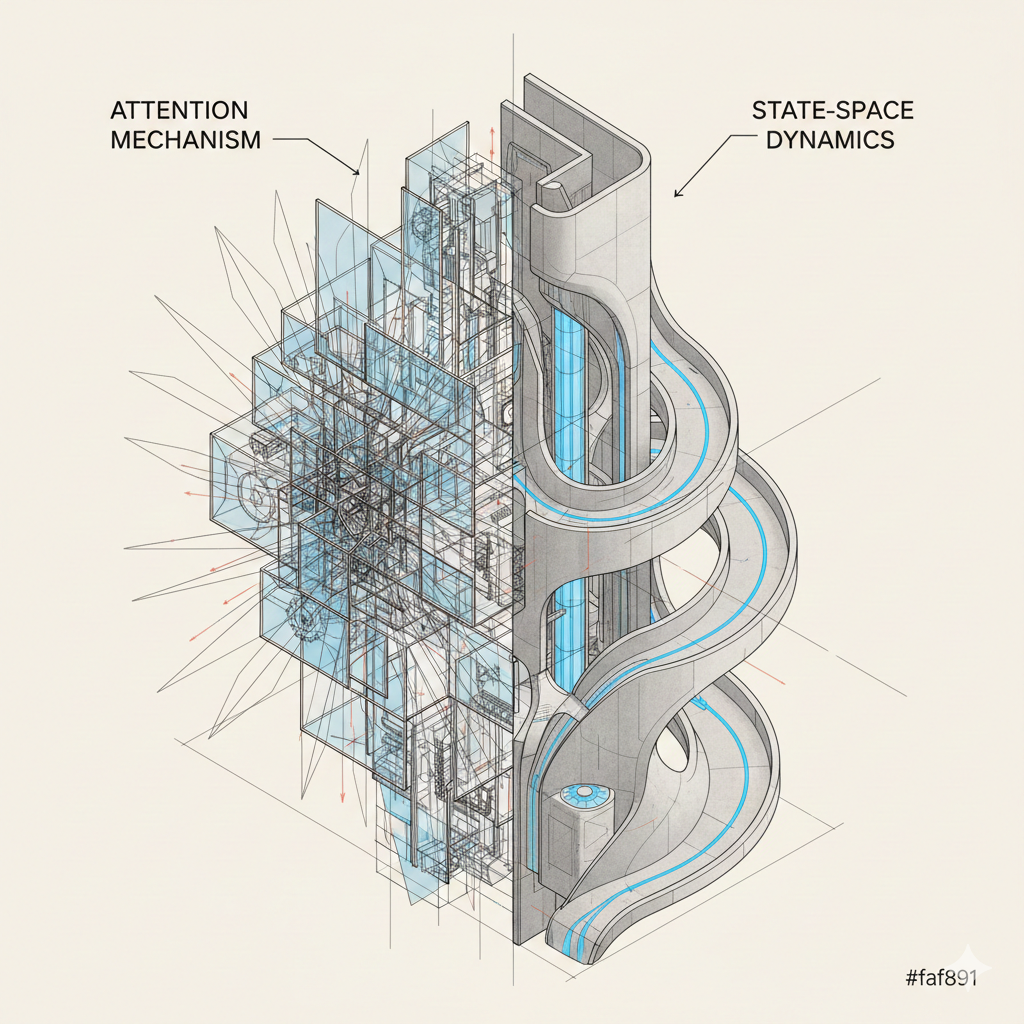
End of Transformers? Attention + State-Space Hybrids in 2025
 Published: at 10:00 AM
The debate over the announced death of Transformers resurfaces. By late 2025, Attention-SSM hybrid architectures gain ground for efficiency, but pure Transformers still dominate complex reasoning. Reality: coexistence and specialization, not replacement.